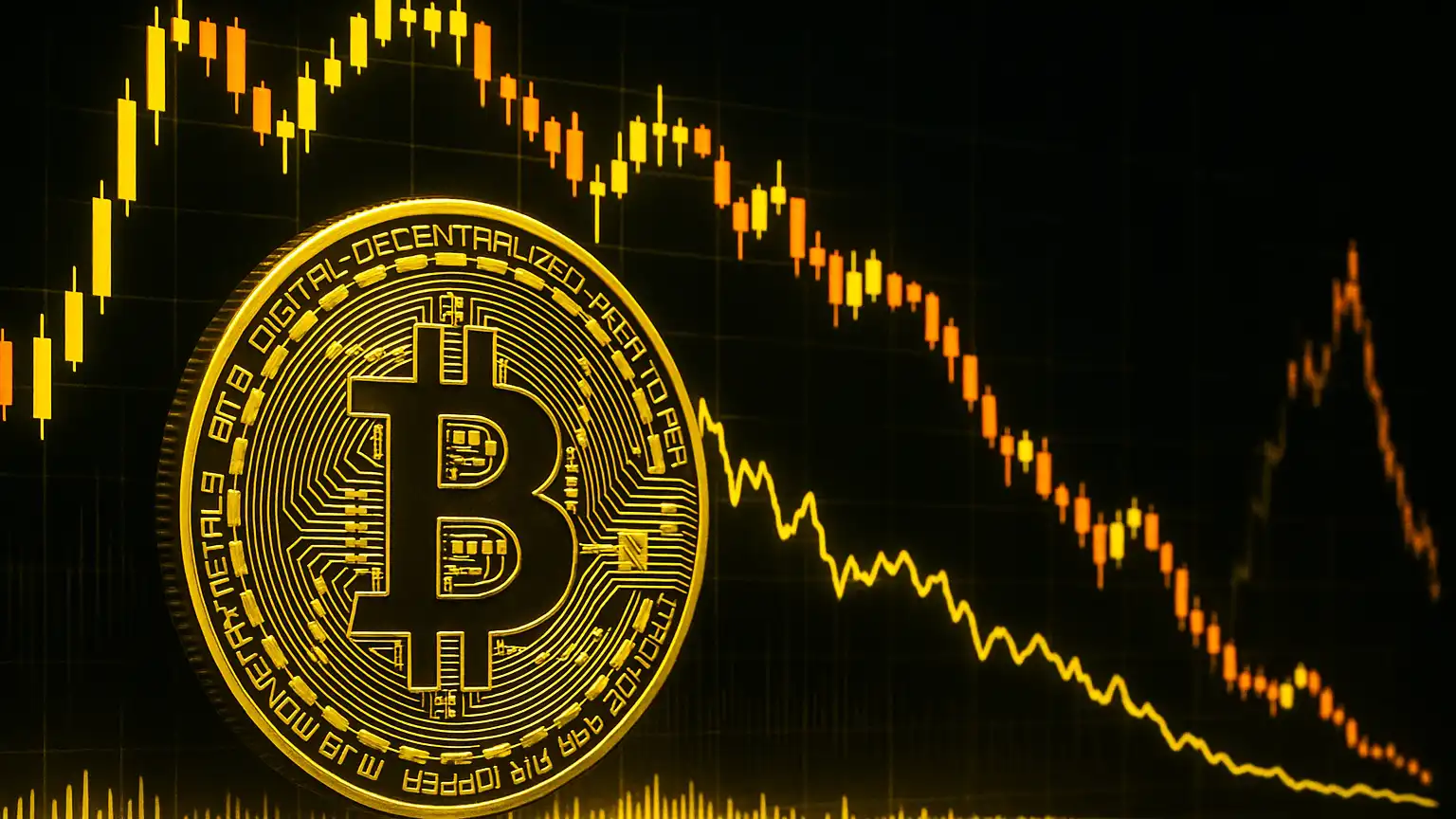
February 2026 has been a tumultuous month for Bitcoin, marked by significant price fluctuations and market uncertainty. The cryptocurrency’s value has experienced sharp declines, with its price dropping from over $90,000 in late January to below $60,000 by early February. This dramatic downturn has raised concerns among investors and analysts alike, prompting a closer examination of the factors contributing to this volatility.
Market Dynamics and Investor Sentiment
The recent decline in Bitcoin’s price can be attributed to a confluence of market dynamics and shifting investor sentiment. In early February, Bitcoin’s price fell below $64,000, marking a significant drop from its previous highs. This decline was accompanied by a surge in liquidations, with over $2.65 billion in leveraged positions being wiped out within a 24-hour period. The largest liquidation occurred on Binance, where a $12 million BTCUSDT position was forcibly closed. Such large-scale liquidations have intensified market volatility, leading to further price declines.
Investor sentiment has also played a crucial role in Bitcoin’s recent price movements. The Fear & Greed Index, a metric that gauges market sentiment, plummeted to 9, indicating extreme fear among investors. This level of fear is reminiscent of the market conditions following the Luna/UST collapse in June 2022. The heightened fear has led to increased selling pressure, as investors seek to mitigate potential losses amid the market downturn.
Whale Activity and Market Impact
Large-scale Bitcoin holders, commonly referred to as “whales,” have significantly influenced recent market trends. In early February, multiple whale wallets transferred approximately 5,000 BTC, valued at around $390 million, to Binance deposit addresses. These substantial deposits coincided with Bitcoin’s price dropping from $73,000 to $60,000, suggesting a correlation between whale activity and market movements. The concentration of selling pressure on a single exchange like Binance has amplified the impact of these transactions, contributing to the rapid price decline.
Conversely, data from January 2026 indicated a decrease in whale deposits to Binance, with a 42.5% reduction compared to December 2025. This decline suggested a more cautious approach among large holders, potentially indicating a wait-and-see strategy. However, the resurgence of significant whale deposits in February has reignited concerns about the influence of large holders on market stability.
Broader Economic Factors and Regulatory Concerns
Beyond individual market activities, broader economic factors and regulatory concerns have also contributed to Bitcoin’s recent volatility. The nomination of Kevin Warsh, known for his hawkish views, as the next Federal Reserve Chair has sparked speculation about potential interest rate hikes and tighter monetary policies. Such policies could lead to reduced liquidity in the market, negatively impacting risk assets like cryptocurrencies. Additionally, escalating geopolitical tensions and a strengthening US dollar have created a global risk-off sentiment, prompting investors to move away from volatile assets.
Regulatory developments have further influenced market sentiment. The White House’s recent discussions with banks and crypto firms regarding stablecoin regulation have introduced uncertainty about the future regulatory landscape for cryptocurrencies. While these discussions aim to establish a framework for digital assets, the lack of clear outcomes has left investors wary, contributing to the market’s instability.
Implications for the Future
The recent events in the Bitcoin market underscore the inherent volatility and complexity of the cryptocurrency landscape. The interplay between large-scale investor actions, broader economic indicators, and regulatory developments creates a challenging environment for both new and seasoned investors. As the market continues to evolve, it is crucial for participants to stay informed and exercise caution. Understanding the multifaceted factors that influence Bitcoin’s price movements can aid in making more informed investment decisions and navigating the unpredictable terrain of the cryptocurrency market.