Introduction
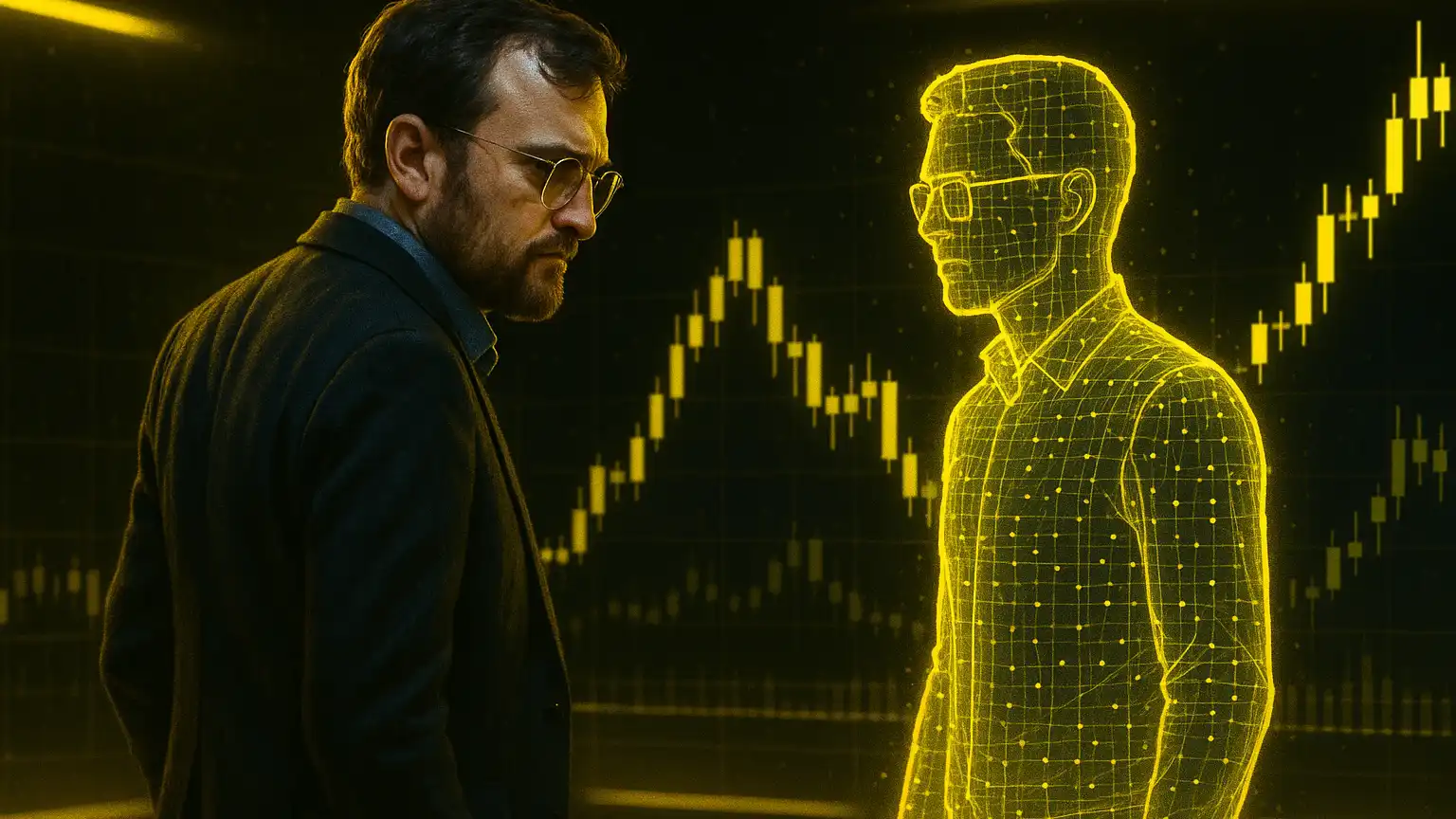
Charles Hoskinson, the founder of Cardano, has announced his departure from the social media platform X (formerly Twitter), effective January 1, 2026. In his place, a “digital twin” will manage his account, a concept he plans to elaborate on during his first YouTube stream of the new year. This move signifies a strategic shift in Hoskinson’s engagement with the Cardano community and the broader cryptocurrency ecosystem.
Motivation Behind the Move
Hoskinson’s decision to step away from X stems from his critique of the platform’s tendency to “reward outrage,” contrasting it with the constructive work being undertaken in projects like Midnight 1.0 and Cardano governance. He intends to focus on more substantive forms of communication, including weekly AMAs on Midnight Discord, livestreams on YouTube, and long-form writing that has been a decade in the making. This approach aims to foster deeper, more meaningful interactions with the community, moving away from the often superficial and contentious nature of social media discourse.
Community Reactions and Implications
The announcement has elicited mixed reactions from the community. Some supporters commend Hoskinson’s move, viewing it as a necessary step toward more productive engagement. Others express skepticism, questioning the effectiveness of a “digital twin” in maintaining the personal connection that many value. This division highlights the challenges leaders face in balancing personal engagement with the demands of managing large-scale projects.
Market Impact and ADA’s Price Decline
In the wake of Hoskinson’s announcement, Cardano’s native cryptocurrency, ADA, has experienced a decline in value. Over the past several months, ADA has been on a downward trajectory, currently trading at approximately $0.35, a significant drop from its cycle peak of over $1. This decline reflects broader market trends and may also be influenced by investor reactions to changes in leadership communication strategies.
Historical Context
Historically, Hoskinson’s public statements and engagements have had a notable impact on ADA’s price. For instance, previous announcements about potential collaborations or regulatory developments have led to immediate price surges. However, the current situation appears different. Hoskinson has taken sabbaticals from X in the past without significantly affecting ADA’s value. Moreover, his continued presence on other platforms suggests that his influence on the market may remain substantial, albeit through different channels.
The Digital Twin: A New Era of Leadership?
The introduction of a “digital twin” to manage Hoskinson’s X account raises questions about the future of personal branding and leadership in the cryptocurrency space. While the specifics of this digital twin remain unclear, the concept suggests a move toward automation and delegation in personal communication. This could set a precedent for other leaders seeking to balance personal engagement with the demands of their roles. However, it also poses risks, such as potential disconnects with the community and challenges in maintaining authenticity.
Conclusion
As the cryptocurrency landscape continues to evolve, the strategies employed by its leaders will play a crucial role in shaping community engagement and market dynamics. Hoskinson’s departure from X and the introduction of a digital twin represent a bold experiment in leadership communication. The success or failure of this approach will likely influence how other figures in the space navigate their public personas and interact with their communities.
Bottom Line
In conclusion, Charles Hoskinson’s decision to leave X and implement a digital twin reflects a strategic shift toward more substantive and controlled forms of communication. While this move has sparked diverse reactions and coincides with a decline in ADA’s value, its long-term impact on the Cardano community and the broader cryptocurrency market remains to be seen. As this situation unfolds, it will provide valuable insights into the evolving nature of leadership and engagement in the digital age.