
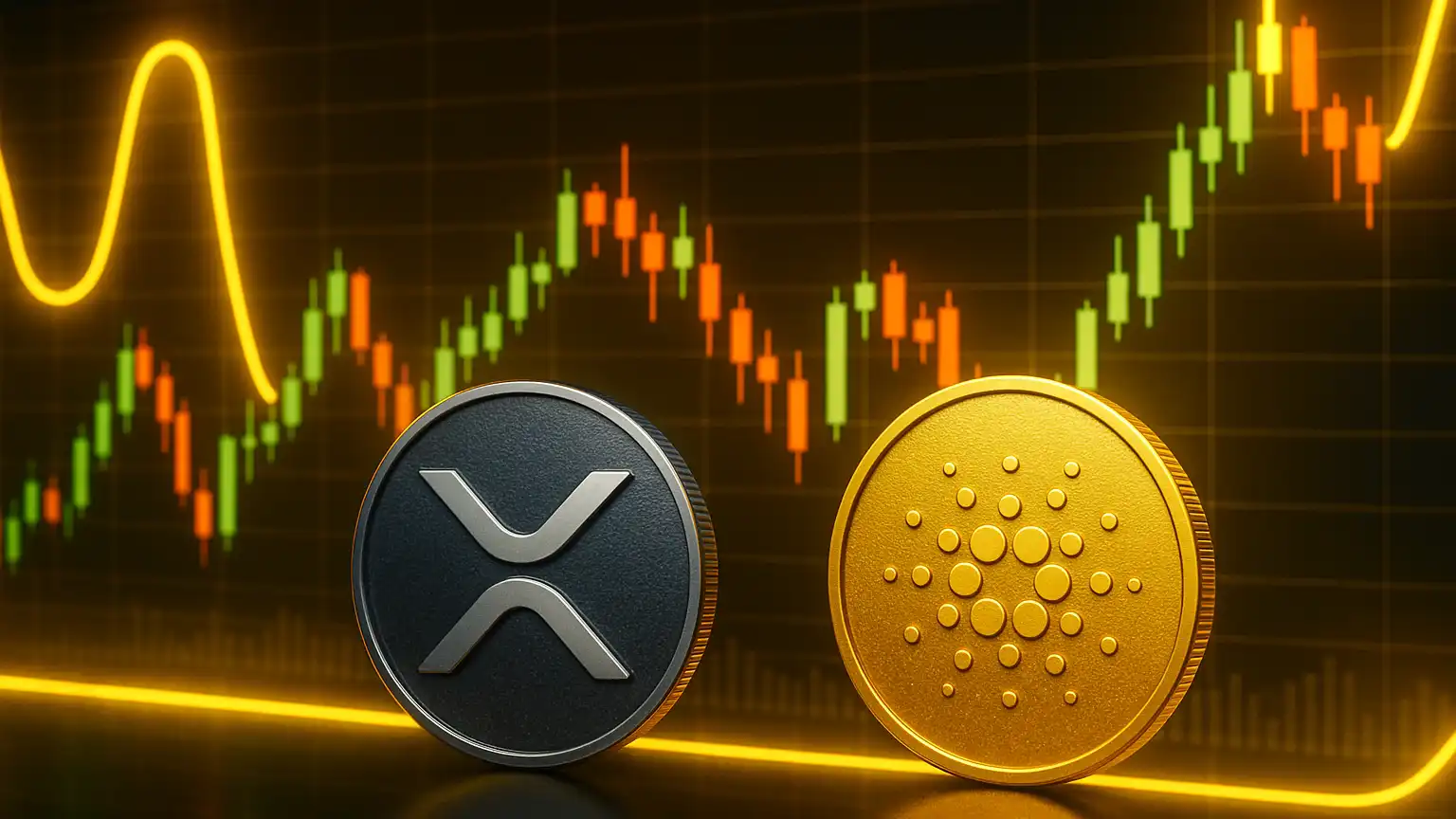
XRP: Regulatory Clarity and Institutional Momentum
XRP has demonstrated resilience in the face of market volatility. Following the resolution of its legal battle with the U.S. Securities and Exchange Commission (SEC) in 2025, XRP secured a definitive ruling that it is not a security. This regulatory clarity has bolstered institutional confidence, leading to increased adoption of XRP for cross-border payment solutions. The approval of XRP spot ETFs has further amplified demand, with transaction volumes surging as institutional investors allocate capital to a token now deemed compliant with U.S. regulations. Analysts project that XRP could reach $8 by the end of 2026, buoyed by potential SEC commodity classification and infrastructure developments.
ADA: Institutional Support and ETF Hopes
Cardano’s ADA presents a contrasting yet compelling case. While retail investors have historically amplified ADA’s price swings through emotional trading, institutional actors have taken a more measured approach. By accumulating 130 million ADA during 2024–2025 market downturns, institutions have effectively established a price floor, countering the volatility driven by retail sentiment. This dynamic has been critical in stabilizing ADA’s value, even as it faces competition from other blockchain platforms. The potential approval of a Grayscale ADA ETF, with a 75% probability of SEC approval by August 2025, positions ADA on the cusp of institutional-grade adoption. This filing has already triggered a 16% price surge to $0.98, with analysts projecting a potential $1.50 target if approved.
Macroeconomic Factors: Navigating Market Headwinds
The broader macroeconomic environment has been a headwind for altcoins. The October 2025 announcement of 100% U.S. tariffs on China triggered a $19 billion crypto liquidation event, pushing investors toward Bitcoin as a relative safe haven. However, this risk-off sentiment has also created a pricing dislocation: Bitcoin ETFs saw $1.09 billion in outflows in December 2025, while XRP and ADA ETFs attracted inflows. This divergence underscores a critical insight: while Bitcoin benefits from macro-driven flight-to-safety demand, XRP and ADA are being bought for their utility and regulatory progress, not just as speculative plays.
Bottom Line
In conclusion, both XRP and ADA have demonstrated resilience and potential for growth amid a complex and evolving cryptocurrency landscape. XRP’s regulatory clarity and institutional adoption position it as a strong contender for significant appreciation, while ADA’s strategic alliances and institutional interest suggest a promising trajectory. Investors should consider these factors when evaluating their cryptocurrency portfolios, keeping in mind the inherent volatility and risks associated with the market.